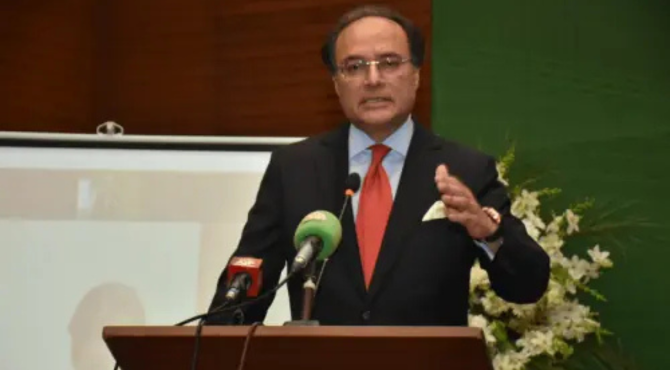

Pakistan(National Times)- ISLAMABAD: In a major policy shift, the cabinet’s Economic Coordination Committee (ECC) has revised the buyback tariff of solar rooftop consumers to Rs10 per unit from Rs27 per unit. The development came as the ECC met under the chairmanship of Finance Minister Muhammad Aurangzeb, and approved a set of amendments to the existing net-metering regulations aimed at reducing the growing financial burden on grid consumers, according to an official statement issued by the Finance Division on Thursday. The decision comes in light of a significant increase in the number of solar net-metering consumers, with associated financial implications for grid consumers, it added. “As part of the approved changes, the ECC has revised the buyback rate from the National Average Power Purchase Price (NAPP) to Rs10 per unit.” It was clarified, however, that the revised framework will not apply to existing net-metered consumers “who have a valid license, concurrence, or agreement under the Nepra (Alternative & Renewable Energy) Distributed Generation and Net Metering Regulations, 2015”. “Any such agreements will remain effective until the expiration of the license or agreement, whichever occurs first. This ensures that the rights and obligations of these consumers, including agreed-upon rates, will continue as per the existing terms,” read the statement. Furthermore, the committee approved the proposal, subject to the ratification of cabinet, to allow the National Electric Power Regulatory Authority (Nepra) to revise this buyback rate periodically, ensuring that the framework remains flexible and aligned with evolving market conditions. Additionally, the ECC also approved an update to the settlement mechanism. Under the new structure, imported and exported units will be treated separately for billing purposes. The exported units will be purchased at the revised buyback rate of Rs10 per unit, while the imported units will be billed at the applicable peak/off-peak rates, inclusive of taxes and surcharges, during the monthly billing cycle. The ECC also authorised the Power Division to issue proposed guidelines, subject to cabinet’s ratification, to Nepra for incorporation into the applicable regulatory framework, ensuring clarity and consistency in the implementation of these amendments. The decision follows extensive discussions on the growing impact of solar net-metering on the national power grid. The Power Division highlighted the pressing need for regulatory adjustments, citing a record decline in solar panel prices that has led to a sharp increase in the number of solar net-metering consumers, the statement said. As of December 2024, solar net-metering consumers had transferred a burden of Rs159 billion to grid consumers, a figure expected to rise to Rs4,240 billion by 2034 without timely amendments. The ECC was informed that the number of solar net-metering consumers surged significantly, reaching 283,000 by December 2024, up from 226,440 in October 2024. The total installed capacity also grew from 321MW in 2021 to 4,124MW by December 2024, underscoring the rapid expansion of the net-metering sector. However, the increase in solar net-metering consumers has contributed to a rising cost of electricity for grid consumers, undermining the government’s efforts to reduce power tariffs. The ECC also discussed the financial implications of the growing number of solar net-metering consumers, especially as they avoid paying the fixed charge component of the tariff, including capacity charges and the fixed expenditures of power distribution and transmission entities. “This has transferred a disproportionate financial burden onto grid consumers, contributing to higher electricity tariffs and undermining the sustainability of the energy sector.” The committee also noted that 80% of solar net-metering consumers are concentrated in nine major cities, with a significant proportion located in affluent areas. This geographical concentration further highlights the need for regulatory reforms to ensure fairness and balance in the energy distribution system, it said. The statement said amendments approved by the ECC represent a critical step toward ensuring the sustainability of the power sector while protecting the interests of all consumers, particularly those who rely on the grid for electricity.
ECC reduces buyback rate for solar consumers to Rs10 per unit