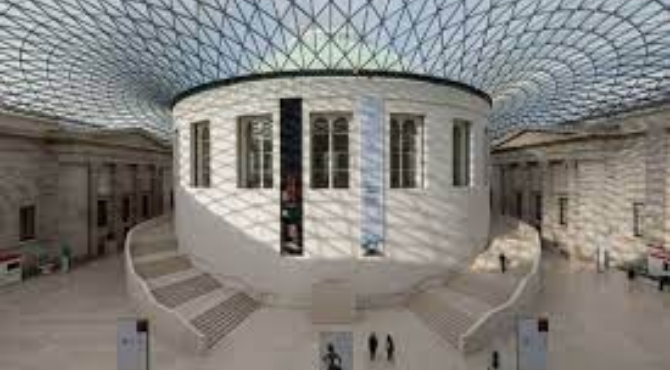

Pakistan(National Times)- Some British lawmakers, non-governmental organisations (NGO) and researchers have called on the government to fix what they have described as a “legislative vacuum” that allows museums and other institutions to hold and display African ancestral remains taken during the colonial era. For centuries, African ancestral remains, such as mummified bodies, skulls and other body parts, were brought to Britain and to other former colonial powers, often as “trophies” or as commodities to be traded and displayed. There are growing calls worldwide for such remains, as well as looted art, to be repatriated to their communities or countries of origin. Although some efforts have been made to confront the long-standing issue, African remains are still held in various institutions across the country, such as museums and universities. “We cannot allow the dehumanisation of our ancestors,” Connie Bell, from the ‘Decolonising the Archive’ project, said at an event on Wednesday organised by a cross-party parliamentary group on reparations, chaired by Labour MP Bell Ribeiro-Addy. In November 2024, Ribeiro-Addy brought the issue to parliament, saying colonial-era remains were being listed for sale by auction houses, on e-commerce platforms and social media. A month before Ribeiro-Addy’s remarks, an auction house in Tetsworth, Oxfordshire, withdrew a sale of such remains, including skulls from West Africa’s Ekoi people, following criticism by native communities and advocates. UK’s deputy prime minister Angela Rayner said it was horrifying to hear Ribeiro-Addy’s account, and agreed to further discuss the issue. A meeting with the culture minister will take place soon, Ribeiro-Addy said on Wednesday. The cross-party group will present to the government 14 policy recommendations, including making all sales of remains illegal “on the basis they are not commercial objects but human beings”. The policy brief, produced by the African Foundation for Development (AFFORD), said the government should close loopholes in the Human Tissues Act 2004, which covers the removal, storage, use and disposal of human tissue. The act does not, however, cover activities related to remains of people who died over a century ago, which excludes most ancestral remains held by museums and other institutions, AFFORD said. AFFORD said the act should be amended to make public display of human remains an offence if done without consent. It also said a national restitution policy should be adopted, a body should be created to handle repatriation claims and collections of human remains should be mapped out.
UK govt, museums urged to stop display of ancestral remains, repatriate them