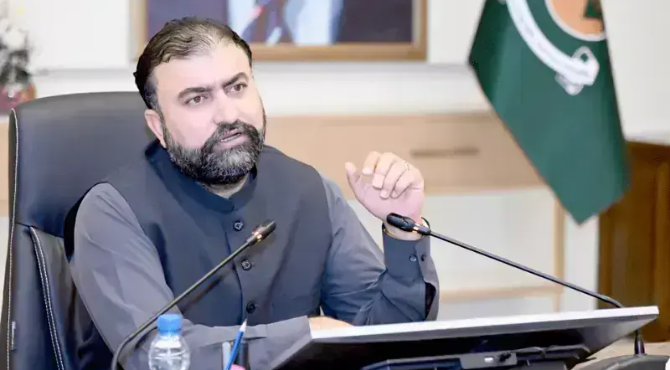

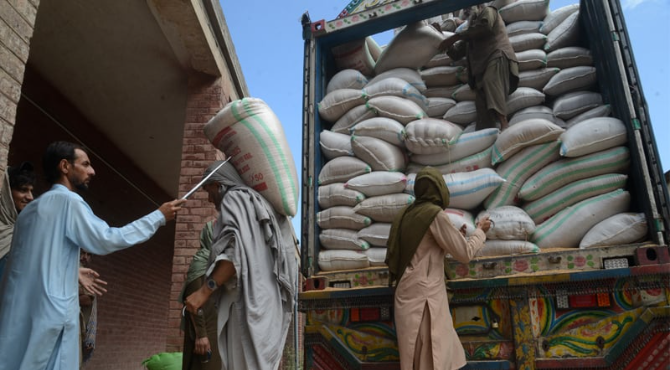
ISLAMABAD(National Times)- Expressing concern over rising wheat prices, Deputy Prime Minister and Foreign Minister Ishaq Dar on Saturday directed federal and provincial governments to take all necessary measures, including increasing market supply, to bring prices under control.
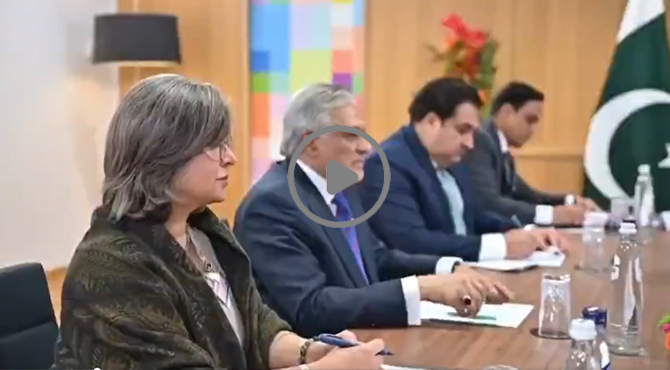
Chairing a cabinet committee meeting to review the stocks, prices and supply of essential commodities, Mr Dar emphasised that safeguarding national food security and ensuring the availability of essential items at reasonable prices were government priorities.
The participants reviewed national reserves, procurement frameworks, domestic consumption and price trends. They were informed that stocks of essential commodities remained adequate, ensuring stability in local supplies.
The committee was briefed that domestic and imported wheat stocks were sufficient to meet requirements until the next harvest.
Regarding sugar, the committee was informed that its price in the domestic market remained well below the targeted retail price of Rs155 per kg, with surplus stocks available until the next crushing season.
Mr Dar directed federal and provincial authorities to closely monitor market networks, stressing that all organisations must show zero tolerance for hoarding and market speculation.
The meeting was attended by National Food Security and Research Minister Rana Tanveer Hussain, Climate Change Minister Musadik Malik, Special Assistant to the Prime Minister Tariq Bajwa, the secretaries of the national food security and research and commerce ministries, the chief secretaries of all provinces, and senior officials from relevant federal and provincial departments.
Implementation urged
In a related development, the PTI Kisan Wing has welcomed the government’s announcement of a wheat support price of Rs4,500 per maund (40kg), while expressing reservations about its implementation and demanding concrete measures to ensure farmers receive the announced rate for their produce.
A day earlier, Prime Minister Shehbaz Sharif set the new indicative wheat support price for 2027, increasing it by Rs1,000 from the rate fixed last year.
According to a statement issued on Saturday, PTI Kisan Wing Central Secretary Information Khalid Nawaz Sadhraich said the announcement had come after a prolonged wait and persistent demands by farmers’ organisations, which had repeatedly urged the government to protect growers from rising production costs and financial losses.
He welcomed the announcement but said its significance would depend on whether the government ensured its implementation in letter and spirit. Merely announcing a support price would serve little purpose if farmers continued to be denied the promised rate when selling their wheat, he added.
Referring to previous wheat procurement seasons, Mr Sadhraich said farmers had repeatedly suffered despite government claims and official announcements regarding support prices.
“In the absence of an effective procurement mechanism, middlemen and commission agents exploited growers’ vulnerability, compelling them to sell their produce at throwaway prices, often without effective intervention by the relevant authorities,” he said.
He cautioned the government against repeating these mistakes, saying farmers could not afford another season of financial uncertainty after investing heavily in seeds, fertilisers, pesticides, diesel, electricity and irrigation.
“A support price announced on paper provides no meaningful relief unless farmers can actually sell their wheat at the declared rate,” he added.
Mr Sadhraich demanded that the government immediately announce a clear wheat procurement policy, ensuring that it purchased wheat directly from farmers at the announced rate.
He said the policy should spell out procurement arrangements and operational procedures and establish an effective monitoring mechanism to prevent exploitation by middlemen and ensure that the benefits reached genuine growers.
He also called for the timely establishment of procurement centres, transparent purchasing procedures and an accessible complaints mechanism so that small and medium-sized farmers could sell their produce without unnecessary hurdles or pressure from market intermediaries.