
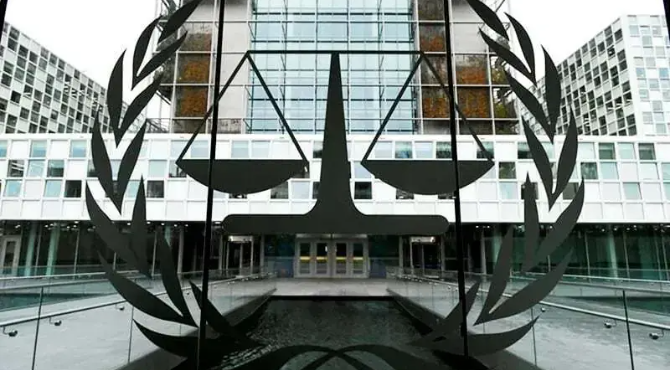
Web Desk(National Times)- The International Criminal Court on Monday unsealed arrest warrants for two Afghan education ministers accused of committing crimes against humanity through the Taliban government’s restrictions on women and girls.
The warrants, for Habibullah Agha, minister of education, and Neda Mohammad Nadeem, minister of higher education, were issued in Sept 2025 but remained under seal until Monday.
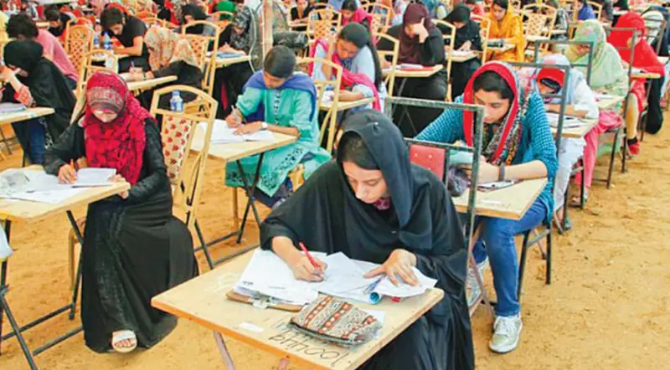
The two officials are accused of gender-based persecution linked to policies that have barred girls from attending school beyond primary level and excluded women from higher education following the Taliban’s return to power in Aug 2021.
The ICC warrants were likely to increase international pressure on the Taliban government.
AFP has approached Taliban authorities for comment on the ICC’s unsealed warrants.
The two warrants against the ministers were issued after the ICC, in July 2025, authorised warrants for Afghanistan’s Supreme Taliban Leader Haibatullah Akhundzada and Supreme Court President Abdul Hakim Haqqani, parts of which have been made public.
Both Agha and Nadeem were instrumental in imposing the supreme leader’s vision of Afghanistan.
“There are reasonable grounds to believe” the suspects committed “the crime against humanity of persecution on gender grounds”, the court said.
It said the persecution was directed against “women and girls, and other persons whose gender expression or identity was viewed as inconsistent with the Taliban’s policy on gender”.
Girls forced to stay home
The ICC’s Pre-Trial Chamber II said it decided to unseal all four warrants, with redactions, after concluding that doing so would not unduly affect ongoing investigations.
Publication could also “promote cooperation by the international community, including State Parties, in relation to the situation in Afghanistan”, it said.
Afghans across the country have told AFP journalists of severe mental health problems tied to the education ban, with teenage girls and women mostly staying at home.
Afghan universities are now men-only zones, where smartphones are banned and students can be chastised if their beards are not long enough.
Some women and girls have tried to continue their education by studying online, but their efforts are hampered by internet and electricity problems across Afghanistan.
Women are increasingly absent from public life and need to abide by a strict dress code when they leave home, covering everything but their eyes.
They are banned from most jobs and a host of public places, including parks, and must have a close male relative escort them on long journeys.
The higher education ban has led to staff shortages in hospitals, multiple healthcare workers have told AFP, as women are no longer allowed to qualify as doctors.