
KARACHI(National Times)- Some stakeholders and analysts expect inflation in September to slow despite the high uncertainty caused by the ongoing Gulf war.
The financial sector expects oil prices to remain between $90 and $100 per barrel during the remaining days of September and in October.
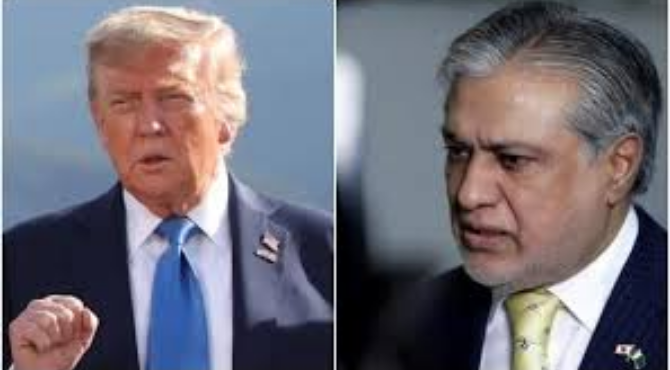
However, the situation has once again changed after US President Donald Trump announced on Saturday that he had rejected Iran’s proposal for the Gulf war. Iran is now anticipating possible attacks from the US, raising concerns that oil prices could surge.
Analysts expect oil prices to remain around $100 per barrel if the war resumes. However, much will depend on the availability of oil supplies in the international market. Pakistan imports 70pc of its oil and gas requirements, making inflation highly sensitive to oil prices.
Stakeholders believe oil prices to hover around $100 per barrel
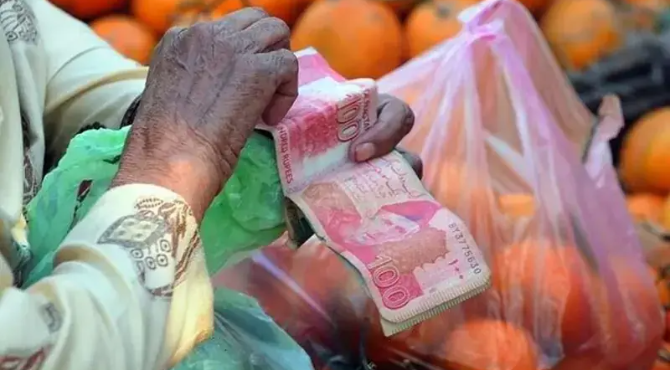
Pakistan’s official headline inflation rose sharply to 11.1pc year-on-year in August 2026, up from 9.2pc in July 2026.
According to a Topline Securities report, the Consumer Price Index (CPI) for September is expected to rise 10.25-10.75pc year-on-year, down from 11.1pc in August. This projection is slightly lower than the August figure, but does not represent a significant decline.
Petroleum prices have been rising daily in Pakistan and have now reached the highest level in the region. India increased petrol prices by 10pc, while Bangladesh reportedly jacked up by 16pc and Pakistan by over 50pc.
“It is not easy to assess the exact inflation figure for September as oil prices have been changing both internationally and locally. We can only expect slightly lower inflation, with a fear that it may remain close to last month’s level,” said S.S. Iqbal, a money market expert.
With inflation expected to remain at 10.25-10.75pc in September 2026, real interest rates are likely to stand at 75-125 basis points, lower than Pakistan’s historical average of 200-300 basis points, according to the Topline report.
Electricity, housing, food and construction costs have also witnessed increases, suggesting that inflation could come in above analysts’ expectations, particularly if the Gulf war continues for an extended period.
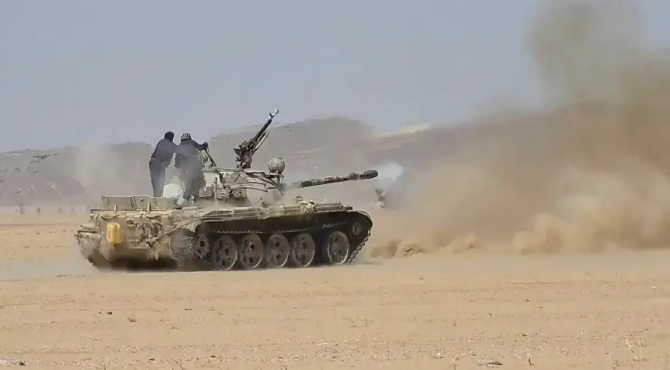
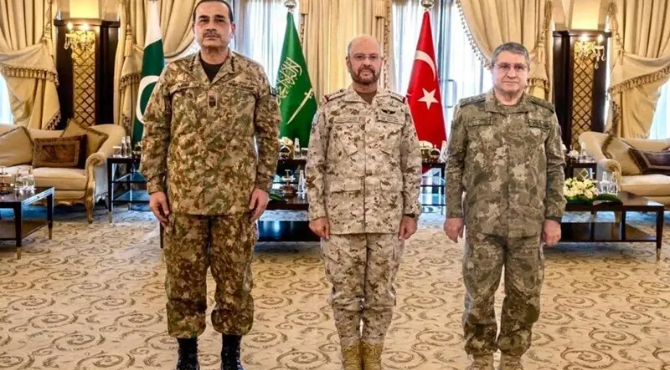
At the same time, Pakistan, Turkiye and Saudi Arabia are preparing to respond to a possible new conflict involving the Houthis and the kingdom, adding to uncertainty over oil prices and supplies. Any disruption could have a direct impact on Pakistan’s economy and inflation.
Pakistan’s foreign exchange reserves, currently exceeding $21.4 billion, may provide some cushion against higher oil import costs. However, they cannot prevent inflationary pressures from rising if the conflict continues and international energy prices remain elevated.