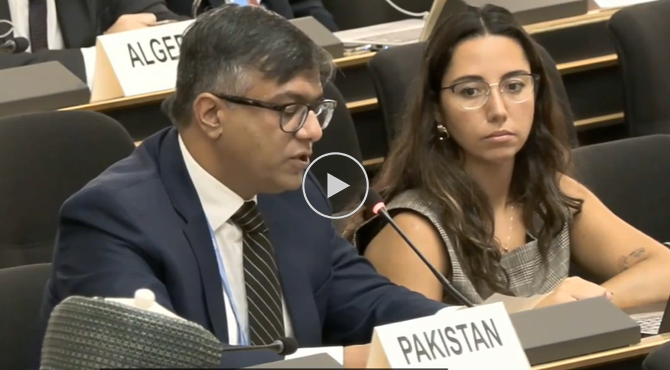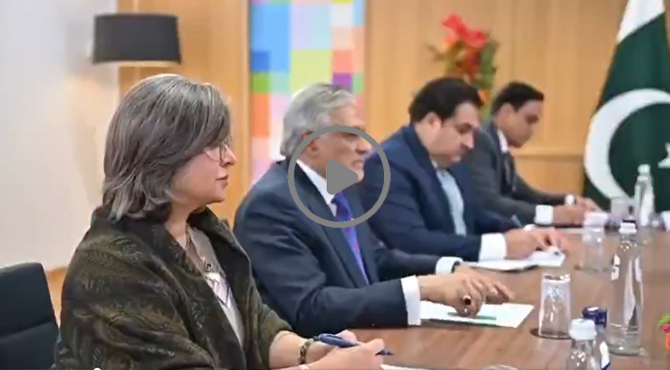

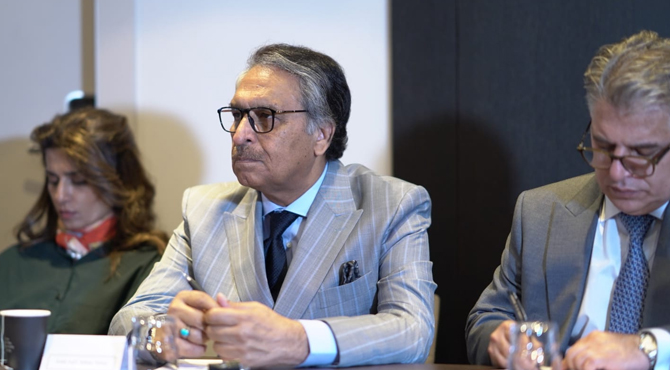
Brussels (National Times) A high-level parliamentary delegation of Pakistan, led by Chairman Bilawal Bhutto Zardari, Member of the National Assembly and former Foreign Minister, convened a strategic policy briefing and roundtable with leading Belgian and EU-based think tanks, academics, and policy experts in Brussels. The event, titled “South Asia’s Security Landscape and the Imperative for Multilateral Engagement”, formed an integral part of the delegation’s broader diplomatic outreach aimed at strengthening dialogue on pressing regional and global developments.
In his keynote address, Chairman Bilawal Bhutto Zardari delivered a detailed analysis of South Asia’s evolving geopolitical landscape. He expressed grave concern over India’s increasing departure from multilateral norms and its shift towards unilateralism, citing repeated violations of bilateral agreements, growing disregard for international law, and aggressive military actions that threaten regional peace.
He particularly condemned India’s recent unprovoked strikes on civilian targets and its unilateral attempts to redefine regional norms without accountability or consultation. The Chairman emphasized that such actions undermine stability and erode the foundations of collective security in the region.
A key focus of his remarks was the weaponization of water as a dangerous new frontier in regional tensions. Chairman Bhutto Zardari strongly criticized India’s suspension of the Indus Waters Treaty (IWT), which he described as a grave threat to the region’s ecosystems, food security, and livelihoods. He warned that such actions set a perilous precedent at a time when the world is already grappling with climate stress and resource scarcity.
Reiterating Pakistan’s principled foreign policy, the delegation emphasized the country’s commitment to peace, regional stability, and diplomatic engagement. Chairman Bhutto Zardari stressed that Pakistan continues to exercise restraint in the face of repeated provocations and remains dedicated to resolving all outstanding disputes, including the Jammu and Kashmir issue, through peaceful means in accordance with the UN Charter and relevant Security Council resolutions.
The discussions also addressed broader global concerns, including climate resilience, migration, youth engagement, equitable global governance, and the need to strengthen institutional partnerships between Pakistan and the European Union.
This policy roundtable formed part of Pakistan’s ongoing efforts to deepen its diplomatic and intellectual engagement with the European policy community and to communicate its regional perspective on critical international challenges.