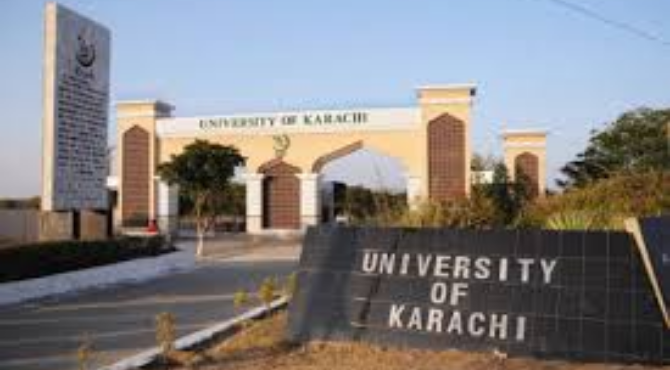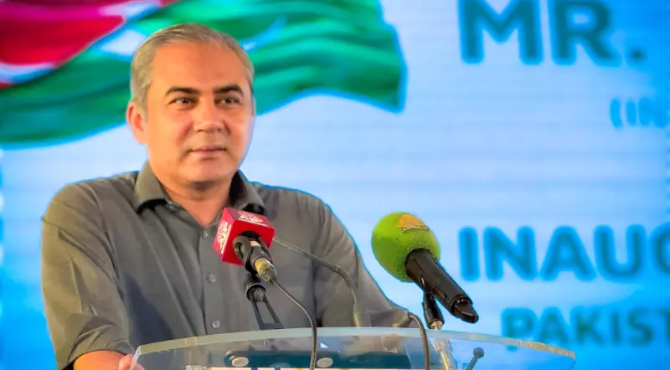

Pakistan(National Times)- KARACHI: The protests against the Sindh government’s proposed amendment to the Sindh Universities and Institutes Laws Act have been ongoing since January 6, bringing academic activities in all public universities across Sindh to a standstill. Educators and academic professionals are strongly opposing what they view as a detrimental change to the leadership structure of higher education institutions in the province. The controversial bill proposes allowing bureaucrats and other non-academic officials, alongside professors, to be appointed as vice-chancellors (VC) of universities. Academics argue that this change undermines higher education, as individuals with no background in research or academic inquiry cannot effectively lead institutions that are primarily research-driven, with university rankings based primarily on research output. Appointing a VC with only a master’s degree, without any research credentials, raises concerns about the ability of such individuals to manage academic and research affairs effectively. Initially, the bill required VC candidates to hold a PhD. However, after being reviewed by the Standing Committee, this requirement was removed. Now, candidates need only a master’s degree, meaning an engineering university could have a VC with a master’s in engineering, a general university could be led by someone with a master’s in arts, and a medical university could be run by an individual with a basic master’s degree in a relevant field. The Sindh government claims that the bill is designed to improve university administration. Chief Minister Murad Ali Shah, in a recent speech, argued that many VCs and board chairpersons appointed in the past have faced allegations of corruption and harassment. The government believes that appointing administrators from different backgrounds would improve governance in higher education institutions. However, the chief minister also clarified that professors would still be eligible to apply for the VC position under the new framework. Education sector experts, however, reject this reasoning. They argue that bureaucrats are not immune to corruption allegations, questioning whether other government departments in Sindh are free from mismanagement and financial irregularities. The bill has led to widespread disruption in universities across Sindh. Karachi University, which would usually be bustling with students, now appears deserted, as classes have been suspended for days. This disruption is not limited to Karachi University—public universities throughout the province remain non-operational. The timing of the protests is particularly concerning, as students had just started their academic year. With classes suspended, students fear they will fall behind in their coursework, making it difficult to prepare for exams. The uncertainty surrounding the situation has left students worried about their education and future. During a recent press conference, Sindh Information Minister Sharjeel Memon was asked whether professors—key stakeholders in higher education—had been consulted before drafting the bill. Critics argue that major policy changes affecting universities should have involved discussions with faculty members to ensure informed decision-making. In 2018, the authority over universities and boards was transferred from the Governor of Sindh to the Chief Minister’s office, a move that led to delays in key appointments. Since then, VCs, finance directors, and board chairpersons have not been appointed on time, and even after 15 years, controllers, secretaries, and auditors remain missing from Sindh’s education boards. Despite 15 years having passed from the previous amendments, timely appointments have not been ensured. Education experts are now concerned that instead of addressing the existing failures, the government is opening a new Pandora’s box. Professors and faculty members say that they were never consulted on the matter. Meanwhile, students who come to campus every day find themselves wandering the hallways instead of attending lectures. Many spend the entire day on campus with nothing to do before eventually leaving. Teachers acknowledge students’ concerns, promising to cover the missed syllabus once classes resume. However, the core academic process, which involves regular lectures and coursework, has been completely suspended. Research work continues in some capacity, but all degree programs, from undergraduate to PhD levels, are currently on hold. Despite opposition, the Sindh government appears determined to pass the bill. The chief minister has already stated that the legislation will be implemented, arguing that the government knows what is best for the education sector. However, the government should, at the very least, engage in discussions with professors to address legitimate concerns.
Sindh university protests continue as academic activities remain suspended